Peru: Women Entrepreneurs and Community Supports
In one recent lending round, S/. 8,000 was distributed to 11 new women entrepreneurs.
Loan amounts ranged from S/. 700 to S/. 3,000
Projects included clothing production, pig raising, chicken raising, school supplies, groceries, and prepared food
The initiative also supports a community kitchen in Barranquito that serves daily lunches to people in economic hardship
Behind every amount is a woman building income, stability, and a future for her family.
Luz Tasayco Marcos: clothing production; S/. 3,000
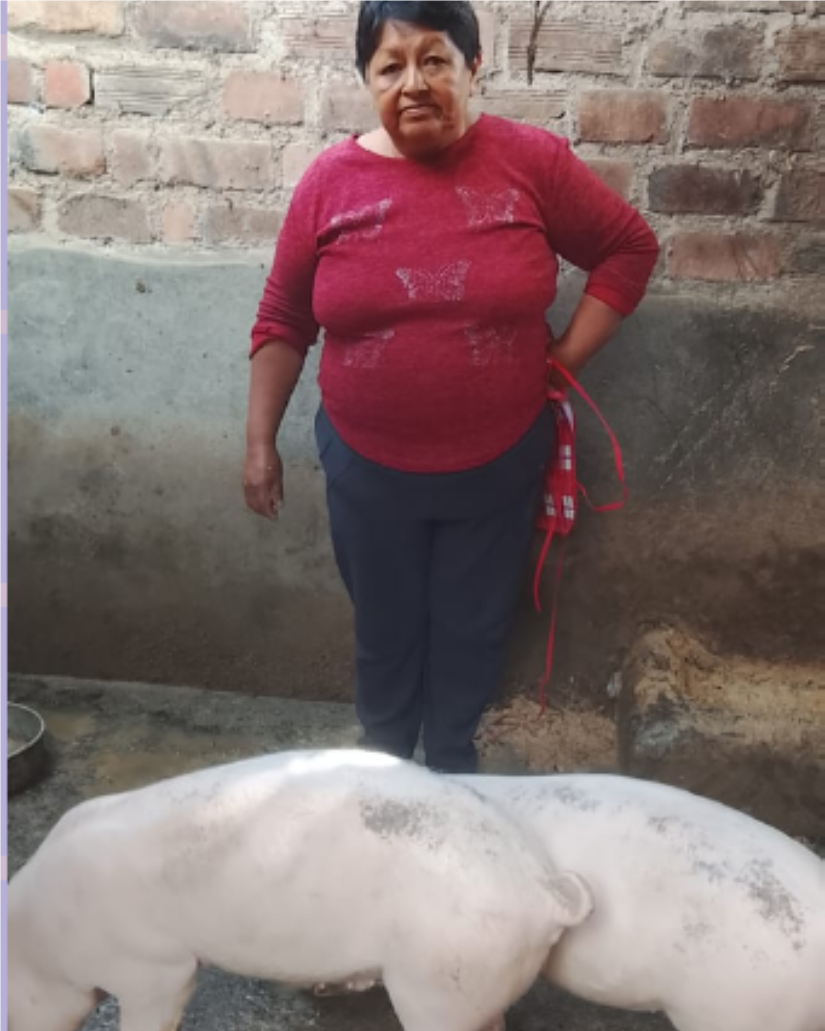
Angela Cáceres Romero: pig raising; S/. 2,000
Madeleine Lévano Cáceres: chicken raising; S/. 1,500
Gabriela: school supplies; S/. 1,000
Sonia Nicho: prepared food, beverages, and groceries; S/. 1,000
July 30, 2026: UPDATE. Congratulations to Rotarians Yves, Kaye, and their colleagues in obtaining a District Matching Fund Grant of US$ 6,000 for this project! The grant will allow them to build Savings Groups, offer psychological support to women entrepreneurs, and provide small loans to micro enterprises in rural villages. It builds on years of work and a total project budget over $20,000.
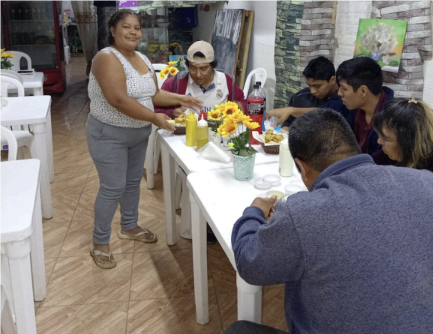
The Peru Project reflects the kind of international service that grows through trusted relationships and practical support. In partnership with Mujeres Uniendo Esfuerzo por Alcanzar sus Sueños, Rotary assistance is helping women in the Chincha region strengthen businesses that are closely tied to everyday life: food, farming, clothing, household goods, and community care.
The work is beautifully grounded in real livelihoods. Luz Tasayco Marcos received support for clothing production. Angela Cáceres Romero is raising pigs. Madeleine Lévano Cáceres is raising chickens. Gabriela is selling school supplies. Sonia Nicho is building a small business around prepared food, beverages, and grocery items. Other women are running neighbourhood stores, preparing meals, selling fruit, sewing garments, or combining several modest income streams at once in order to keep a household going.
What makes these stories so compelling is not just the variety of the businesses, but the strength of the women behind them. Elizabeth is raising three children while working and also raising poultry and ducks at home. Yovana runs a small shop selling groceries, drinks, sweets, and cleaning products, and also prepares meals for delivery in Chincha. Cecilia prepares sweets and weekend foods while supporting two children, including one in university. Rosario raises cuyes and sells fruit she harvests herself, helping support four children, three of whom are in university. Mónica begins work at 5:00 a.m., preparing breakfast for early workers before continuing to sell food and drinks through the day.
These are not abstract examples of entrepreneurship. They are women using the resources available to them: a stove, a sewing machine, a small storefront, a bit of land, a flock of birds, a few pigs, a push into the market, a commitment to keep going. Their enterprises may be modest in scale, but their impact on family life is anything but small. Income from these businesses helps cover food, education, household needs, and the basic stability that allows a family to plan beyond the next day.
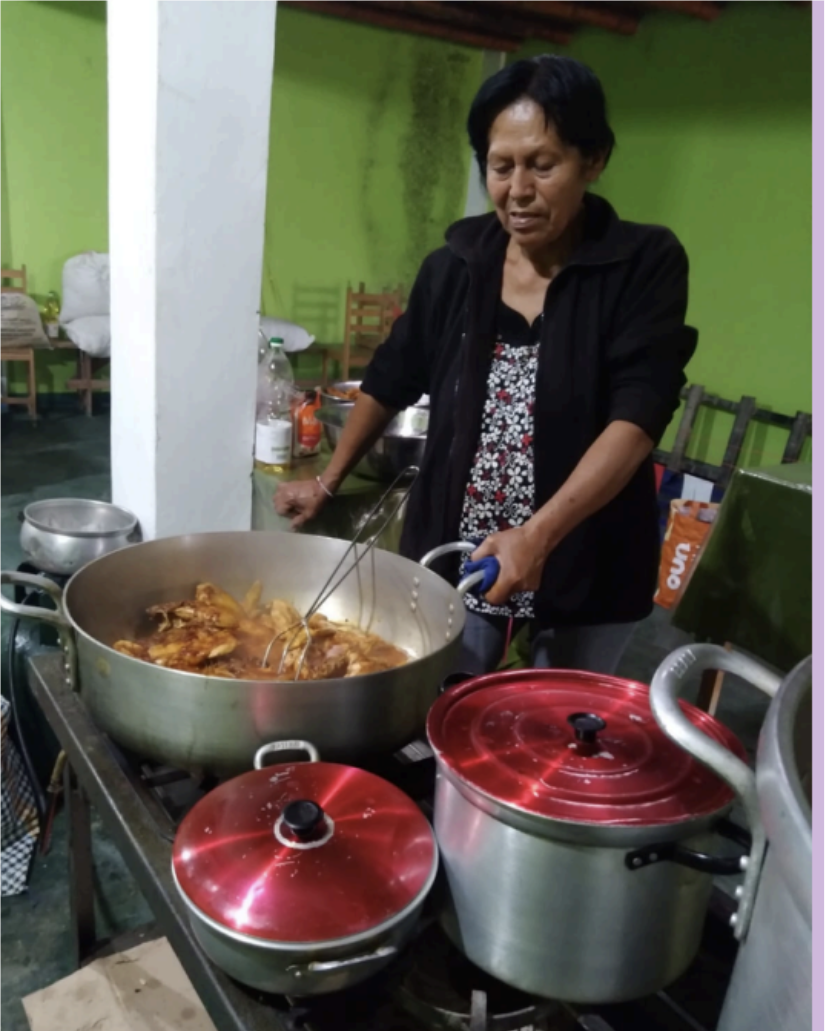
The project also reaches beyond individual enterprise. In Barranquito, the Comedor Señor de los Milagros provides daily lunches for people living in difficult economic circumstances, including older adults who are without support. That detail says a great deal about the wider spirit of the work. This is not simply about helping one person at a time. It is also about strengthening the fabric of community life: neighbours organizing, cooking, selling, caring, and creating a little more resilience together.
One recent lending round distributed S/. 8,000 across eleven new women entrepreneurs, with individual amounts ranging from S/. 700 to S/. 3,000. The projects supported included clothing production, pig raising, chicken raising, school supplies, groceries, and prepared food. The range of those enterprises shows how closely the initiative responds to local reality. It is not imposing a model from outside. It is backing women in the work they already know, the markets they already understand, and the opportunities they are ready to grow.
That is what gives the Peru Project its quiet power. Through Yves, Kay, and local partners, support is reaching women who are not waiting for change to arrive: they are creating it themselves. They are cooking, sewing, planting, raising, selling, delivering, and building. They are using small opportunities to make larger possibilities real. And in doing so, they are shaping something that matters deeply: stronger families, stronger communities, and a future built with their own hands.
“We want to express our deepest gratitude to Rotary Ottawa and to all the people with big hearts who have believed in us. In a special way, we recognize our dear friend Yves, whose constant support has made it possible to carry forward entrepreneurship and social projects. Because of that generosity and commitment, many women can dream bigger, strengthen their independence, and offer a better future to their families.”
Laura Estela Maurtua Q.
President, Mujeres Uniendo Esfuerzo por Alcanzar sus Sueños
Faces of the Program
Behind every micro-loan is a woman building something practical, local, and deeply important to her family. These entrepreneurs represent just three of the women whose businesses are growing through Rotary-supported funding in Peru.
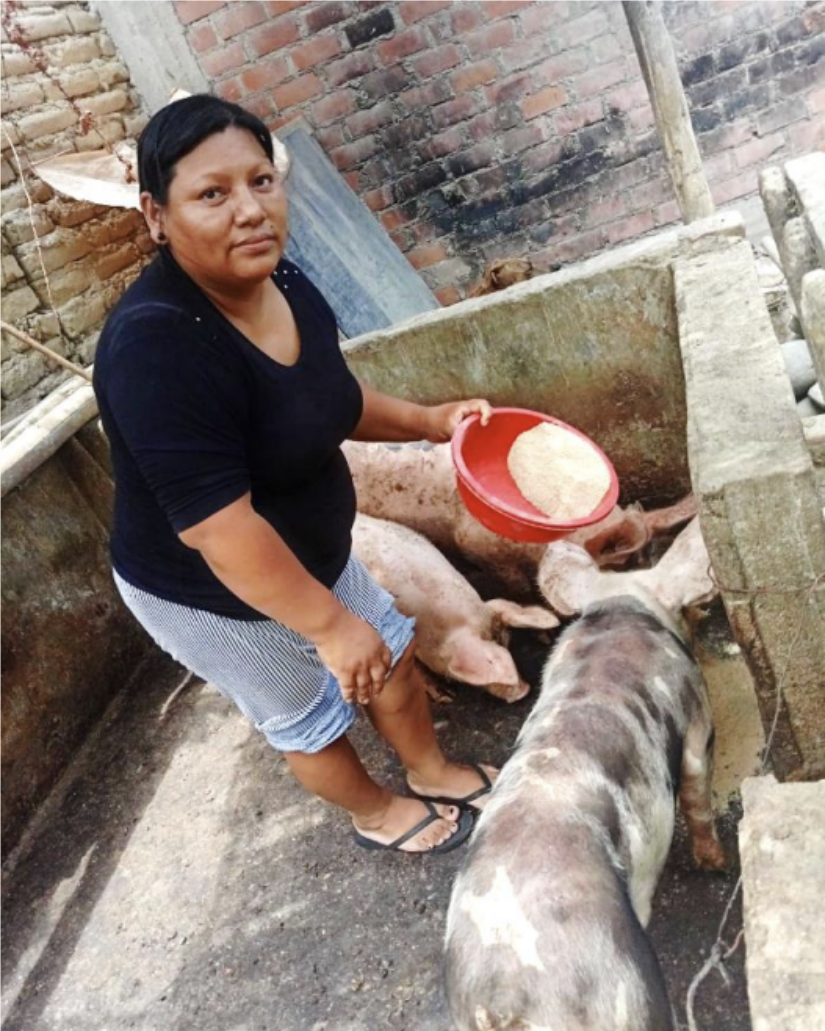
Carmen: Building a Home Livestock Farm
Carmen raises turkeys and pigs at her home, building a small livestock operation that contributes to her family’s income. She is the mother of three children and works from home while her husband operates a mototaxi for additional household earnings. Together, their work supports the family and helps provide opportunities for their children.
Program Snapshot
Business: Small livestock farming
Activity: Raising turkeys and pigs
Family: Mother of three children
Location: Chincha region, Peru
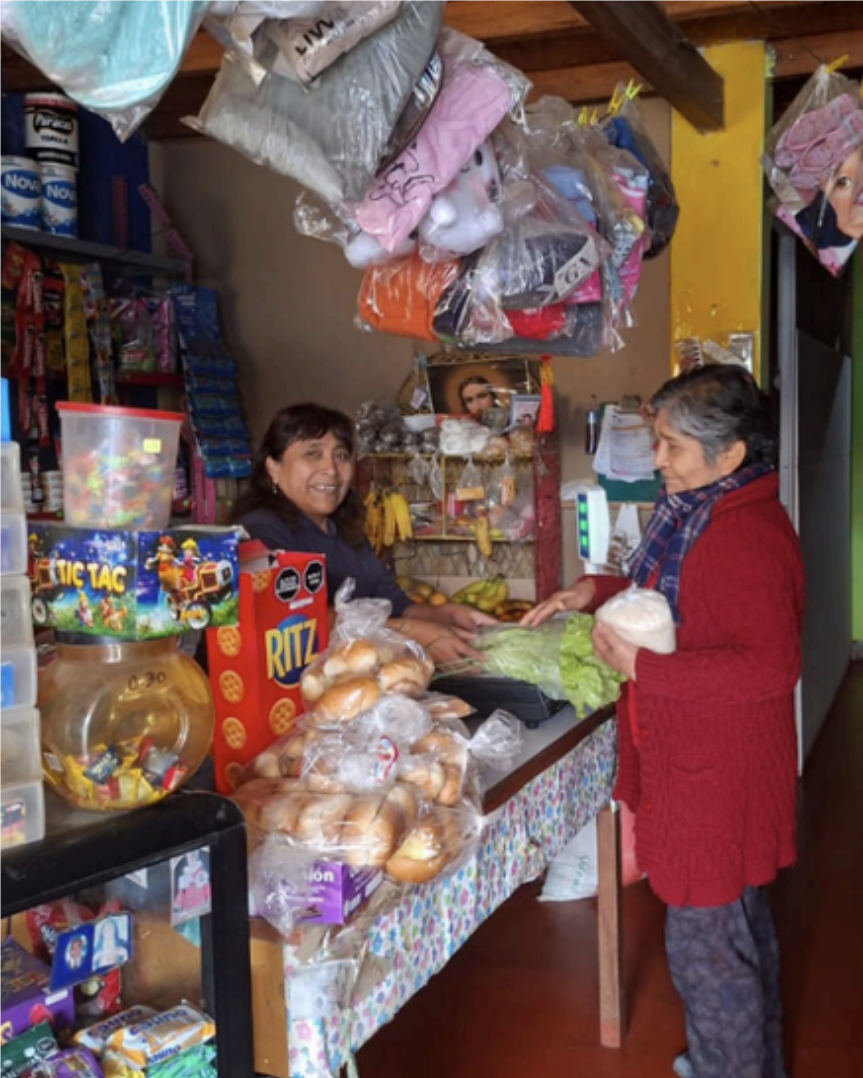
Luisa: A Store at the Heart of the Community
Luisa operates a small neighbourhood shop from her home, selling groceries, drinks, clothing, sandals, and other household goods. Her children are now independent, and she helps care for her granddaughters. The shop she runs with her husband provides steady income for their household and supports their extended family.
Program Snapshot
Business: Home-based neighbourhood shop
Products: Groceries, drinks, clothing, sandals, household goods
Family: Lives with her husband and helps care for her granddaughters
Location: Chincha region, Peru
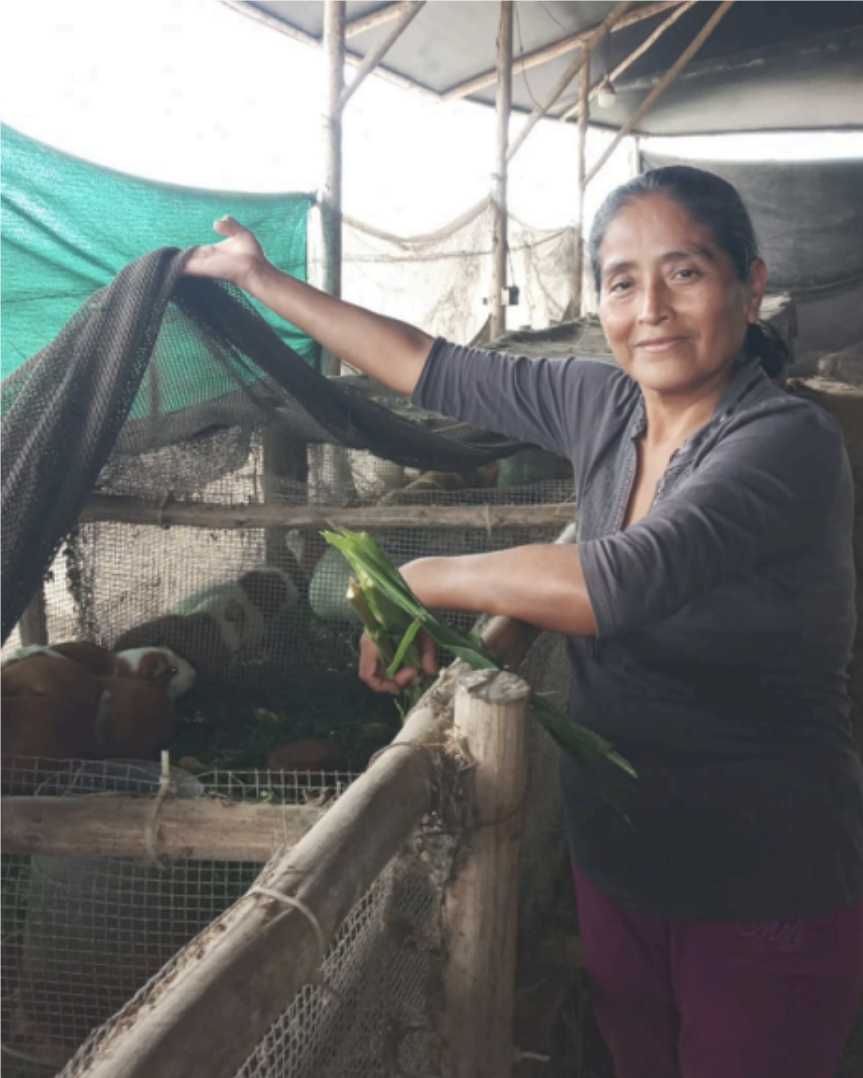
Rosario: Farming for Her Children’s Education
Rosario raises cuyes and sells fruit that she harvests herself. Each day she travels into the city with a tricycle to sell her products. Through her work, she supports four children: three studying at university and the youngest still in school, demonstrating how small family enterprises can create opportunities for the next generation.
Program Snapshot
Business: Small livestock and produce sales
Activity: Raising cuyes and selling harvested fruit
Sales method: Daily market sales by tricycle
Family: Mother of four children; three in university